India is home to one of the largest populations of people living with Diabetes. As the numbers rise, it becomes very important to measure Diabetes accurately, both for individuals and for public health planning.
Recently, a discussion published in The Lancet Global Health (February 2026) looked at an important question:
Is HbA1c alone reliable enough to estimate Diabetes prevalence in India?
In a February 2026 correspondence titled “HbA1c alone might not reliably indicate India’s Diabetes prevalence – Authors’ reply” (The Lancet Global Health, Vol 14, February 2026), researchers responded to concerns about their use of HbA1c data from the Longitudinal Aging Study in India (LASI). Their response provides important clarity for clinicians, policymakers and individuals concerned about Diabetes risk.
This conversation is important because HbA1c is widely used in India for diagnosing and monitoring Diabetes. Let’s break down what this debate means.
What Is HbA1c and Why Is It Used?
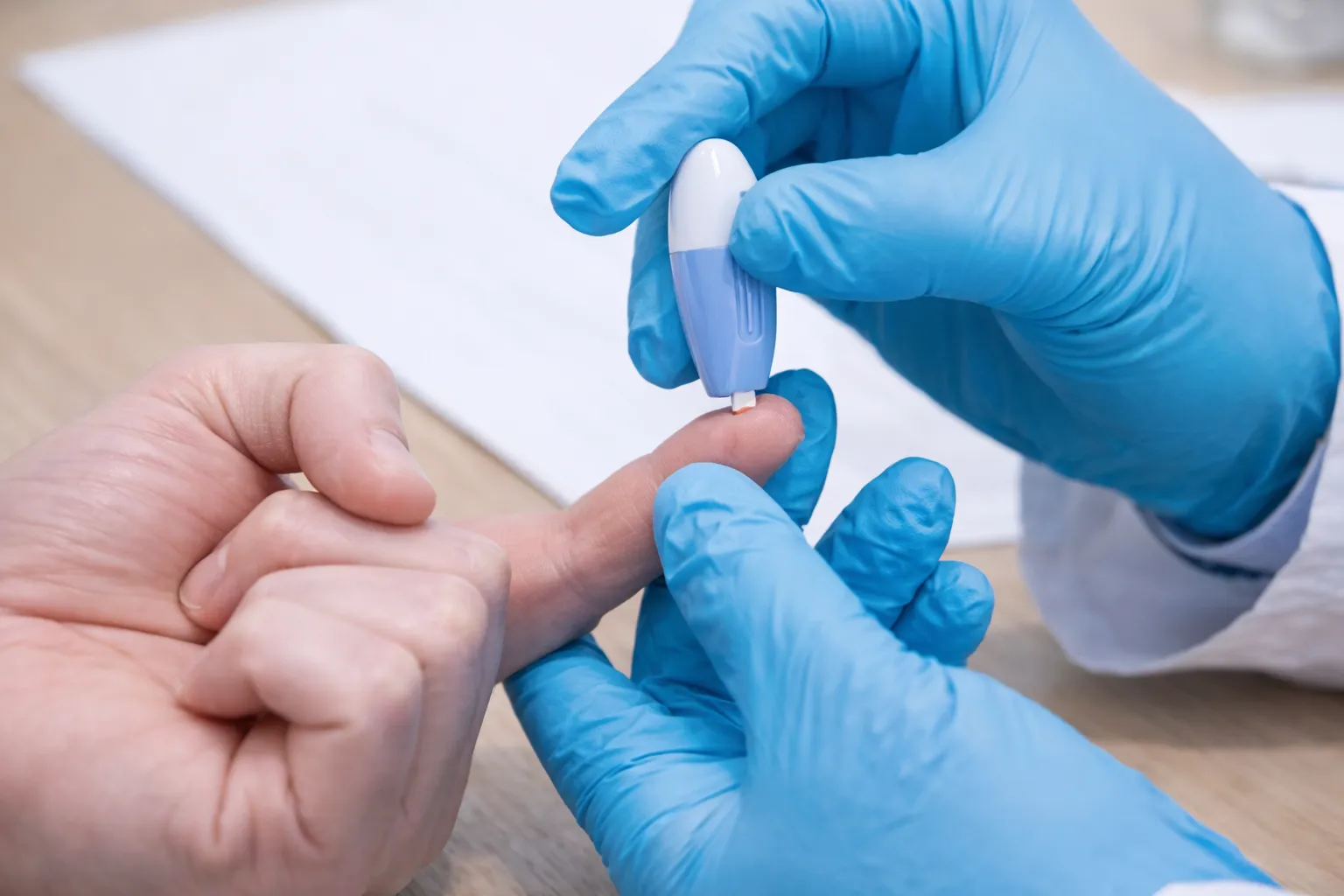
HbA1c (glycated haemoglobin) reflects the average blood glucose level over the past 2–3 months. Unlike fasting plasma glucose or the oral glucose tolerance test (OGTT), HbA1c does not require fasting and is less affected by short-term fluctuations.
Because of its convenience and ability to reflect long-term glycaemia, HbA1c has been widely adopted for diagnosing Diabetes and assessing glycaemic control. Indian clinical guidelines support HbA1c-based diagnosis, with appropriate caveats regarding its limitations.
However, questions have been raised about whether HbA1c measurements may be biased in the Indian population due to high rates of anaemia and haemoglobinopathies.
Why Is HbA1c Being Questioned?
Some experts have raised concerns about whether HbA1c might overestimate Diabetes prevalence in India.
The main concern is anaemia, especially iron-deficiency anaemia, which is common in India. Research shows that iron deficiency can sometimes raise HbA1c levels slightly, even in people who do not have Diabetes.
So the question is:
Could high anaemia rates make India’s Diabetes numbers look higher than they actually are?
What Did The Lancet Authors Say?
In their February 2026 reply published in The Lancet Global Health, the researchers clarified several important points:
1. Anaemia May Affect HbA1c, But Mostly at Lower Levels
They agreed that iron-deficiency anaemia is linked to slightly higher HbA1c values. However, evidence shows that this effect is more noticeable at lower HbA1c levels, not usually in the Diabetic range.
This means anaemia is unlikely to cause major overestimation of Diabetes prevalence at the national level.
2. Modern Laboratory Methods Reduce Interference
Another concern involves haemoglobin variants (genetic differences in haemoglobin). According to the National Glycohemoglobin Standardization Program (NGSP), some factors can interfere with HbA1c testing depending on the method used.
However, the authors clarified that modern laboratory assays, like the one used in the Longitudinal Aging Study in India (LASI), are largely unaffected by common haemoglobin disorders.
3. HbA1c-based Results Match Other National Data
The LASI study estimated Diabetes prevalence at 20.8% among adults aged 50–69 years.
This is very similar to the 21.8% prevalence reported by India’s National Non-Communicable Disease Monitoring Survey, which used fasting glucose instead of HbA1c.
This similarity suggests that HbA1c-based estimates are broadly consistent with glucose-based estimates.
An Important Reminder: Prevalence Was Not the Only Focus
One key clarification made by the authors in The Lancet Global Health (February 2026) is that Diabetes prevalence was only one of five primary outcomes in the Longitudinal Aging Study in India (LASI).
The five main outcomes studied were:
- Diabetes Prevalence
- Diabetes Awareness
- Glycaemic Control
- Blood Pressure Control
- Statin Use
Importantly:
- Two outcomes (blood pressure control and statin use) did not involve HbA1c at all.
- Glycaemic control used HbA1c in a way that aligns with recommended clinical practice.
This distinction matters. Even if questions are raised about how HbA1c estimates prevalence, the findings related to blood pressure and cholesterol management remain unaffected.
In fact, the authors emphasized that one of the most important findings of the study was the urgent need to improve blood pressure and cholesterol management among people with Diabetes in India.
Since cardiovascular disease is the leading cause of death in people with Diabetes, this gap in care may have greater real-world consequences than differences in diagnostic methods.
Do Different Tests Give Different Results?
Yes, and this is supported by scientific evidence. The authors referenced previous population-based studies in India showing that Fasting glucose, Oral glucose tolerance test (OGTT) and HbA1c do not always identify the exact same individuals with Diabetes.
There is overlap, but each test may detect slightly different subsets of people.
The correspondence also cited a 2025 reply from the NCD Risk Factor Collaboration (The Lancet) suggesting that differences between glucose-based and HbA1c-based prevalence estimates may reflect unique metabolic characteristics among South Asian populations, rather than simple measurement errors caused by anaemia.
In the LASI study:
- The estimated Diabetes prevalence among adults aged 50–69 years was 20.8% (HbA1c-based).
- This was very similar to the 21.8% prevalence reported by India’s National Non-Communicable Disease Monitoring Survey, which used fasting glucose during the same time period.
This similarity strengthens the argument that HbA1c-based estimates are broadly consistent with glucose-based national data.
In other words, while different tests may classify individuals differently, the overall population-level estimates appear comparable.
What Does This Mean for People in India?
For India, this debate highlights three practical realities:
1. HbA1c Remains Guideline-supported
The authors noted that HbA1c-based diagnosis is supported by Indian clinical guidelines, with appropriate caveats. It is also used by major global research collaborations such as NCD-RisC.
2. Anaemia May Slightly Affect HbA1c Results
The authors acknowledged that iron-deficiency anaemia, which is common in India, is associated with higher HbA1c concentrations. However, research suggests that anaemia-related shifts are most marked at lower HbA1c levels, not typically in the Diabetic range.
Therefore, current scientific evidence does not support the claim that anaemia substantially biases national Diabetes prevalence estimates.
3. The Bigger Challenge is Care, Not Just Diagnosis
Even if prevalence estimates vary slightly by test, the more pressing issue remains:
- Low Awareness
- Poor Glycaemic Control
- Inadequate Blood Pressure Control
- Limited Statin Use
These care gaps directly increase the risk of heart disease, stroke, kidney failure, and other complications.
For public health planning, improving management may be even more critical than refining prevalence estimates.
Should You Be Concerned About Your Test?
For individuals, the answer is generally no, but stay informed.
HbA1c is a widely accepted and clinically recommended test. According to the NGSP, modern laboratory methods reduce interference from common haemoglobin variants. However, certain factors can influence results, including:
- Iron-deficiency anaemia
- Conditions affecting red blood cell lifespan
- Some haemoglobin variants (depending on assay type)
In most routine clinical settings using standardized methods, HbA1c remains reliable. If a person has severe anaemia or another medical condition affecting red blood cells, a doctor may recommend additional testing such as fasting glucose or OGTT for confirmation.
The debate is about improving scientific accuracy at the population level. It does not invalidate HbA1c as a practical and useful tool for diagnosis and monitoring.
If you are at risk of Diabetes, screening remains important, regardless of the method used.
Early detection allows:
- Lifestyle changes
- Blood pressure and cholesterol control
- Reduction of long-term complication risk
Delaying testing because of uncertainty would be far more harmful than taking action.
Final Thoughts
The discussion in The Lancet Global Health does not reject HbA1c testing in India. Instead, it highlights the complexity of measuring Diabetes accurately in a diverse population.
Current evidence suggests that while anaemia can influence HbA1c values slightly, it does not appear to dramatically distort national Diabetes prevalence estimates.
More research will continue to improve understanding. But one thing is clear:
Diabetes in India is a serious and growing public health issue.
Accurate testing matters, but awareness, early action, and comprehensive management matter even more.
At Diabetes Free Nation, we believe informed screening, lifestyle awareness, and cardiovascular risk management are essential steps toward a healthier future.
Because beyond the debate about numbers, what truly matters is helping people stay informed, proactive, and protected.
Take the First Step Toward Better Diabetes Awareness
Don’t leave your health to guesswork. Join the DFN Club for FREE and get trusted guidance, practical tips, and ongoing support to stay informed and in control.