India has 10 crore people living with diabetes. Separately, an estimated 2 crore Indian women have polycystic ovary syndrome (PCOS). What most people do not know — and what most doctors do not have time to explain — is that the PCOS and diabetes connection is not a coincidence. In many cases, they are the same problem unfolding at different stages.
If you have PCOS, your PCOS type 2 diabetes risk is 4 to 10 times higher than a woman who does not. That is not a minor statistic. That is a major health warning that is consistently buried under conversations about irregular periods and fertility.
Source: Precision Targeted Therapy for PCOS — PMC, 2026.
This blog is about the PCOS blood sugar link. The hormonal loop that connects PCOS insulin resistance to prediabetes and eventually diabetes — and what it means for you, whether you are 22 or 42, thin or overweight, diagnosed or still wondering.
What Is PCOS? And What Does It Have to Do with Blood Sugar?
PCOS, or Polycystic Ovary Syndrome, is a hormonal disorder affecting women of reproductive age. The three defining features are irregular menstrual cycles, excess androgen (male hormone) levels, and polycystic ovaries. But here is what the conversation often leaves out — polycystic ovary syndrome and diabetes are more closely linked than most people realise. PCOS is not just a reproductive condition. It is a metabolic one.
At its core, PCOS disrupts the way your body handles insulin. This makes it one of the leading drivers of hormonal diabetes in women in India — and when insulin stops working the way it should, blood sugar eventually pays the price.
What Is Insulin Resistance — And Why Does It Keep Coming With PCOS?
Insulin is the hormone your pancreas produces to help your cells absorb glucose from the food you eat. When your cells stop responding properly to insulin, your pancreas compensate by producing more of it. This is called insulin resistance.
Here is where PCOS enters the picture. Insulin resistance in PCOS women affects 50 to 80 percent of those diagnosed. The excess insulin in the bloodstream then signals the ovaries to produce more androgens (testosterone and similar hormones). More androgens worsen the PCOS symptoms. More PCOS symptoms worsen the insulin resistance. And the cycle continues.
This is the hormonal loop. Insulin disrupts hormones. Hormones disrupt insulin. Each one makes the other worse.
Over time, if insulin resistance is not managed, the pancreas cannot keep up with demand. Blood sugar rises. Prediabetes develops. And eventually, if left unaddressed, type 2 diabetes follows.
The Part, Nobody Tells You: You Do Not Have to Be Overweight
This is the piece that catches most women completely off guard.
The dominant conversation around both PCOS and diabetes assumes weight as the primary factor. If you are not overweight, you assume you are not at risk. But science says otherwise.
Insulin resistance in PCOS exists independent of body weight. Studies show that even lean women with PCOS — those with a completely normal BMI — can have higher insulin levels, disrupted hormona profiles, and a significantly elevated risk of glucose intolerance compared to women of the same weight without PCOS. One study found that 47 percent of lean women with PCOS tested positive for insulin resistance.
Source: Lean PCOS — Beyond Weight Loss, PCOS Challenge Symposium.
Debates Regarding Lean Patients with PCOS — PMC.
The problem? Standard diabetes screening looks at blood sugar levels, not insulin levels. A lean woman with PCOS can have perfectly normal fasting glucose and still have elevated insulin — which is an early, often invisible warning sign that goes completely undetected.
This means a significant number of women with PCOS are managing their condition without ever knowing their metabolic health is already being affected.
The Part, Nobody Tells You: You Do Not Have to Be Overweight
Step 1 — Insulin resistance develops. The body’s cells stop responding efficiently to insulin. This happens due to genetic factors, lifestyle triggers, or as part of PCOS itself.
Step 2 — Pancreas overcompensates. To manage blood sugar, the pancreas produces more insulin. This elevated insulin (called hyperinsulinemia) is now floating in excess of the bloodstream.
Step 3 — The ovaries respond to the excess insulin. They produce more androgens. This worsens irregular periods, acne, and other PCOS symptoms.
Step 4 — More androgens worsen insulin sensitivity. Testosterone and related hormones actively impair how well your muscles absorb glucose. Insulin resistance deepens.
Step 5 — Blood sugar starts to climb. As the pancreas work harder and harder over time, it begins to lose capacity. Prediabetes develops. And if the cycle is not interrupted, type 2 diabetes follows.
Research published in 2025 estimates that more than half of women with PCOS develop type 2 diabetes by age 40. By that point, the hormonal loop has had years of uninterrupted momentum.
Source: The Connection Between PCOS and Diabetes — University Health.
PCOS and Prediabetes: The Stage Most Women Miss
Prediabetes is the window between normal blood sugar and diabetes — and it is almost entirely reversible with the right intervention. The problem is that most women with PCOS are not screened for it. And most women with prediabetes have no obvious symptoms.
The PCOS and prediabetes symptoms that do show up — fatigue after meals, difficulty losing weight, intense carbohydrate cravings, brain fog, and skin darkening around the neck and underarms (called acanthosis nigricans) — are often dismissed as regular PCOS symptoms.
If you have PCOS, getting screened for blood sugar and insulin resistance is not optional. It is necessary.
What Should You Actually Get Tested For?
If you have PCOS, ask your doctor about the following:
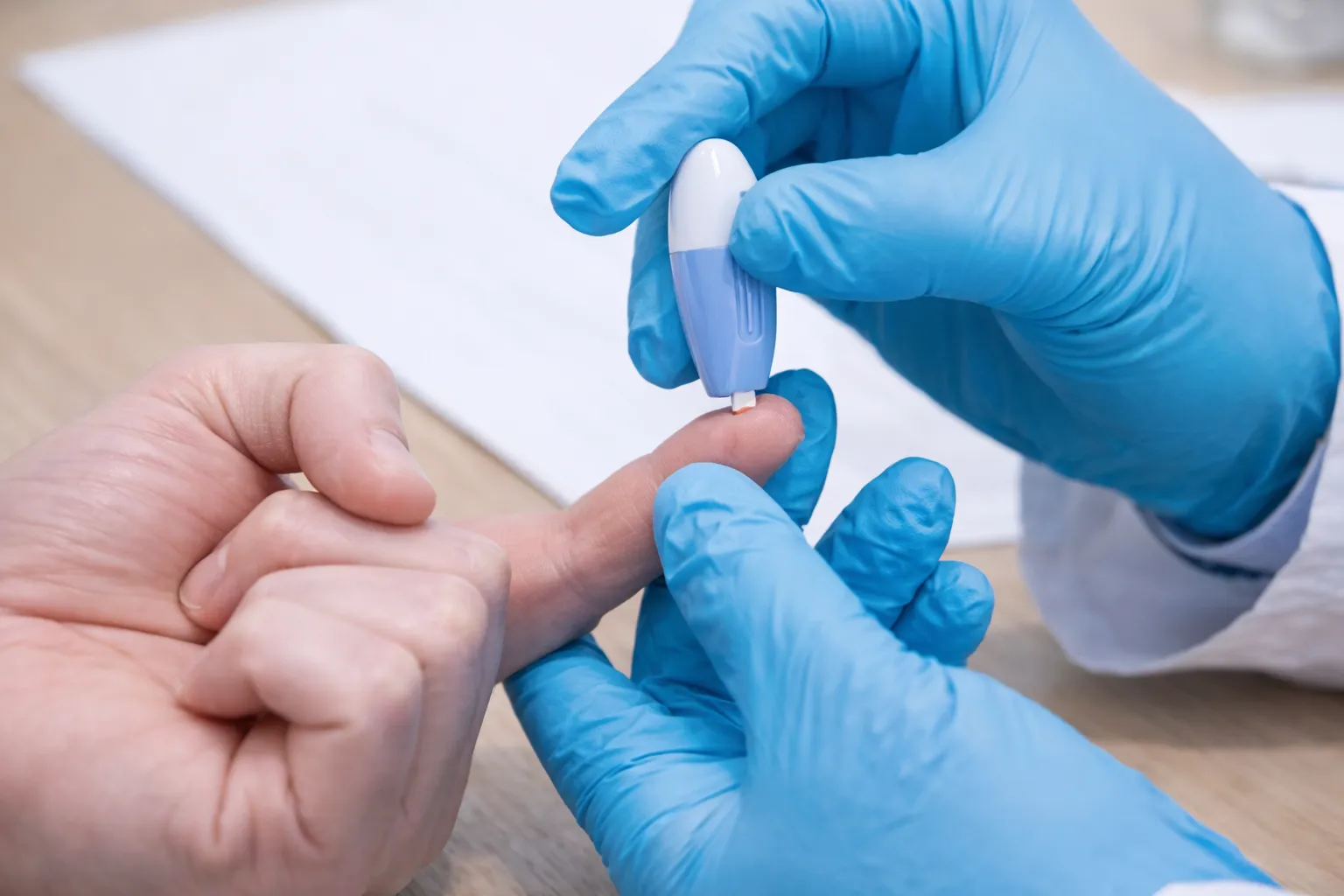
- Fasting blood glucose — to check your baseline blood sugar
- HbA1c — a three-month average of your blood sugar levels
- Fasting insulin — this is what most standard panels skip, and it is the one that catches insulin resistance early
- Oral Glucose Tolerance Test (OGTT) — particularly important for lean women with PCOS, because standard fasting tests may appear normal even when insulin resistance is present
- HOMA-IR — a calculation using fasting glucose and fasting insulin to estimate insulin resistance
The key asks: do not just screen for diabetes. Screen for insulin resistance before diabetes.
Source: Markers of insulin resistance in PCOS women: An update — PMC.
Can This Be Reversed?
Yes — and this is the part worth holding onto.
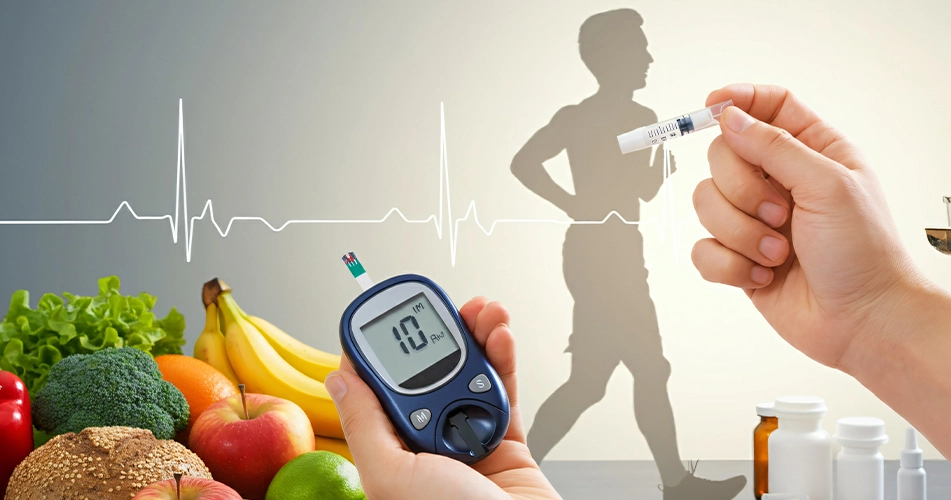
Early-stage insulin resistance, and even prediabetes, responds well to lifestyle changes. Specifically:
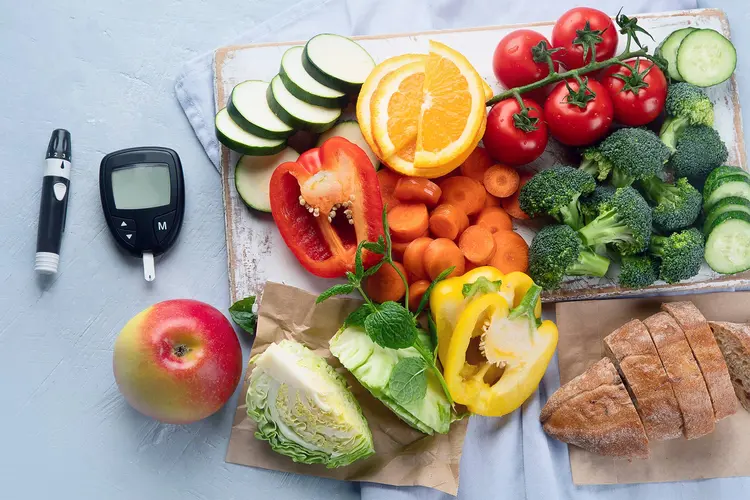
- Low glycaemic index eating — choosing foods that cause a slower, steadier rise in blood sugar rather than sharp spikes. A PCOS diabetes diet in India can be adapted well for this — millets, dals, non-starchy vegetables, and smaller portions of rice or roti go a long way.
- Consistent movement — even 30 minutes of walking after meals improves insulin sensitivity measurably. Strength training has strong evidence for helping women with PCOS manage insulin.
- Stress management — cortisol (the stress hormone) directly worsens insulin resistance. Chronic stress and chronic blood sugar dysregulation often go together.
- Sleep — disrupted sleep impairs insulin sensitivity significantly. This is rarely discussed but consistently supported by research.
- Metformin and inositol — both are used clinically for PCOS to improve insulin sensitivity. Myo-inositol has grown evidence as a supplement option. These should only be taken under medical guidance.
The most important thing to understand is that PCOS and diabetes are not a foregone conclusion. The hormonal loop can be interrupted — but the earlier you act, the better.
To Sum It Up
PCOS and diabetes are not two separate health conversations. They are the same hormonal story, told at different chapters.
PCOS insulin resistance is the thread connecting them — and it starts long before a diabetes diagnosis shows up on a report. For Indian women especially, where both PCOS prevalence and diabetes burden are among the highest in the world, this link is not something to be discovered after the fact. It is something to understand, track, and act on early.
If you have PCOS, get your insulin checked. Not just your sugar. Not just your periods. Your insulin.
And if you want to know your own risk — where your blood sugar stands right now, before any of this becomes a diagnosis — start with the Know Your Risk calculator on Diabetes Free Nation. It takes a few minutes. The information it gives you could take years off your risk.
Want to know where your blood sugar stands right now?
Check your risk before it turns into a diagnosis with the Know Your Risk calculator on Diabetes Free Nation.
Stay informed and ahead of the curve by becoming a member of the DFN Club.
Frequently Asked Questions
1. Does PCOS directly cause type 2 diabetes?
Not directly — but PCOS insulin resistance, if unmanaged, can progress to prediabetes and then type 2 diabetes. Women with PCOS have a 4 to 10 times higher risk than women without it.
2. Can a woman with PCOS have diabetes even if she is thin?
Yes. Insulin resistance in PCOS is independent of body weight. Lean women are frequently underdiagnosed precisely because they do not fit the expected profile.
3. What are the early signs of insulin resistance in PCOS?
Fatigue after eating, carb cravings, difficulty losing weight, brain fog, and darkened skin patches around the neck or armpits. These overlap with regular PCOS symptoms, which is why targeted testing matters.
4. At what age should women with PCOS start getting screened for diabetes?
At the time of PCOS diagnosis — regardless of age. Annual or biannual blood sugar and insulin checks are recommended from that point on.
5. Is gestational diabetes connected to PCOS?
Yes. The insulin resistance already present in PCOS significantly raises the risk of gestational diabetes. If you have PCOS and are pregnant or planning to be, ask your doctor to monitor your blood sugar closely.
Disclaimer: All information in this blog is for educational purposes only. Please consult a qualified medical professional for diagnosis and treatment.