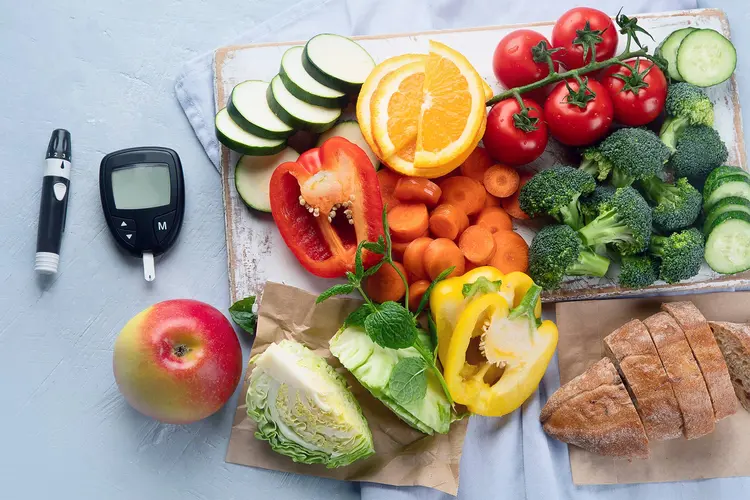
Even when you take your diabetes medication exactly as prescribed, you may still notice unstable blood sugar levels. Morning fasting glucose can fluctuate between 140–180 mg/dL, and post-meal readings may shoot to 250 mg/dL, leaving you fatigued, foggy, and frustrated.
Many people assume their type 2 Diabetes treatment isn’t working. But often, the real issue lies in daily food choices, especially fried foods and refined carbohydrates. These foods are among the most common foods to avoid with Diabetes, yet they remain a regular part of many Indian meals.
When diet and medication work against each other, achieving stable healthy blood sugar levels becomes much harder.
How Fried Foods Interfere with Medication
Fried foods and diabetes medication don’t always work well together. Fried foods are comforting and traditional, but they pose specific challenges for people with Diabetes.
1. Insulin Resistance
Deep-fried foods, especially in reused or unhealthy oils, are rich in saturated fats and trans fats. These fats interfere with insulin signaling at the cellular level, making your cells less responsive to insulin. When this happens, diabetes medications, which are designed to improve insulin effectiveness, are forced to work against an opposing force. The result: blood sugar control remains suboptimal despite correct dosing.
2. Delayed Gastric Emptying
High-fat meals slow digestion, meaning glucose from food enters the bloodstream gradually but remains elevated for longer, sometimes 4–6 hours after eating. Medications are designed to manage glucose within a specific timeframe, so delayed absorption can lead to unexpected post-meal spikes, often when you’re not checking your blood sugar.
3. Increased Risk of Complications
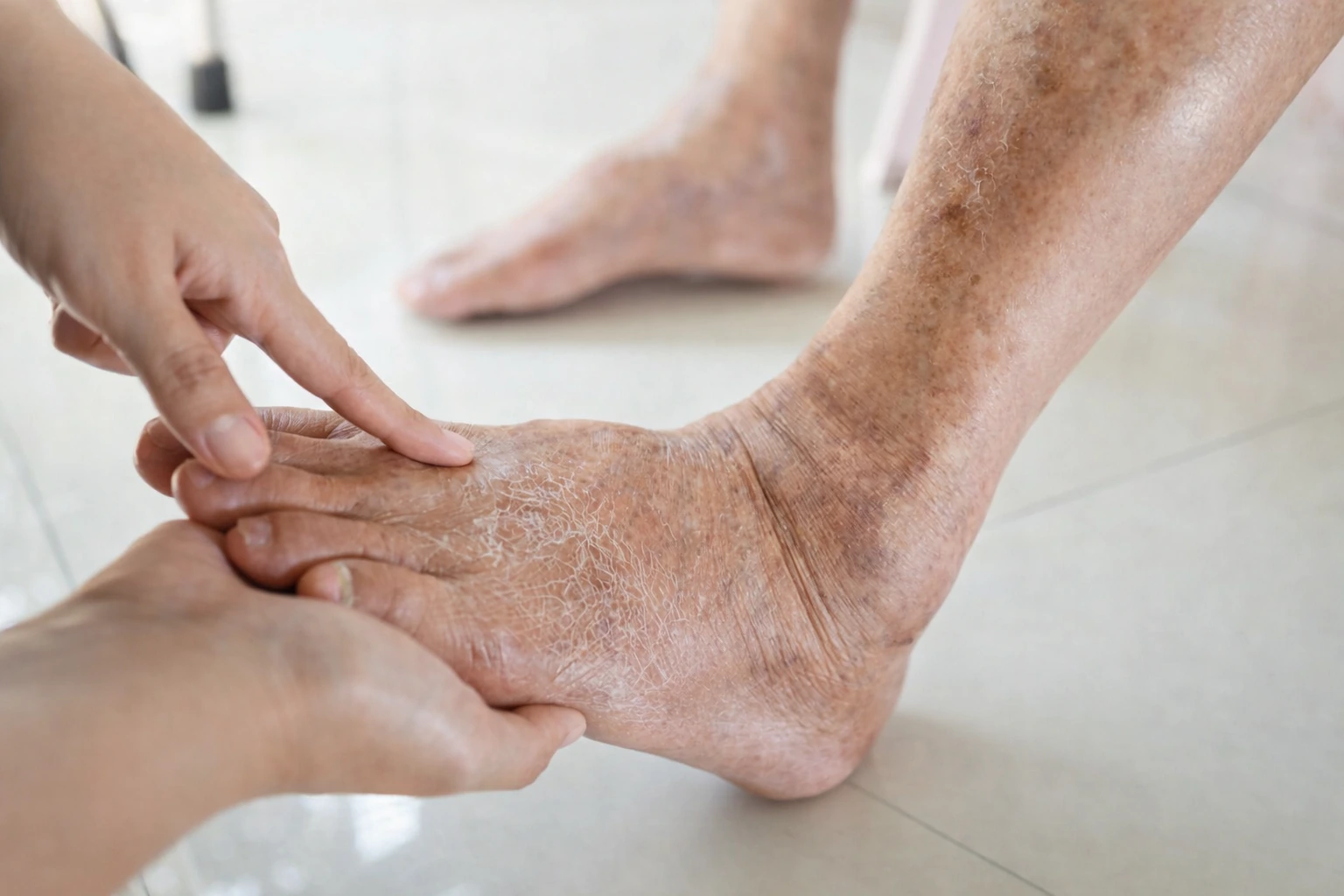
Frequent fried food consumption contributes to inflammation, poor cholesterol levels, and blood vessel damage. Over time, this increases the risk of serious complications, including nerve damage and diabetic foot problems.
The impact of junk food on Diabetes is real. Repeated indulgence in fried foods can undermine medication and create long-term metabolic issues.
The Problem with Refined Carbohydrates
Many people avoid sweets but rely heavily on refined grains like white rice, maida rotis, or processed breakfast items. Despite not tasting sweets, these foods spike blood sugar just like sugar does.
Refined grains are stripped of fiber, vitamins, and minerals, leaving mostly starch. Without Fiber to slow digestion, glucose enters the bloodstream rapidly, often within 30–45 minutes. This sudden spike can overwhelm medications, resulting in high post-meal glucose levels.
Additionally, rapid glucose swings often trigger a reactive cycle: blood sugar spikes, medication or insulin overcompensates; glucose drops quickly, hunger strikes, and cravings for more carbs arise. This blood sugar spike after fried food and refined carb intake creates a “roller coaster” pattern, making glucose levels unpredictable throughout the day.
Why Indian Dietary Patterns Matter
From breakfast to dinner, refined carbs and fried foods dominate many daily meals:
- Breakfast: parathas, poha, upma, or white bread
- Snacks: biscuits, samosas, pakoras
- Lunch and dinner: white rice, refined wheat rotis, and fried accompaniments
These choices are driven by tradition, convenience, and affordability, but they have real metabolic consequences. Even the best medications struggle when the diet constantly creates high blood sugar surges and insulin resistance.
How to Support Your Medication
Changing your diet doesn’t mean giving up culture or flavour, it’s about strategic, sustainable swaps.
- Replace refined grains: Try brown rice, red rice, or millets like ragi, jowar, or bajra. These are considered among the best foods for Diabetes control.
- Rethink fried foods: Air-fry, grill, or use tandoor methods instead of deep-frying.
- Add Fiber: Fill half your plate with vegetables, including legumes like dal or chana, and start meals with salads to slow glucose absorption. These are excellent foods for Diabetic patients and help maintain steady energy.
- Portion control: A small bowl of rice or 1–2 small rotis is enough. These adjustments make the diet for Diabetic patients more effective.
- Gradual changes: Replace one meal at a time rather than overhauling everything at once.
Even small, consistent adjustments allow your medications to work as intended, leading to more stable blood sugar, improved energy, and potentially lower doses under doctor supervision.
The Big Picture
Fried foods and refined carbs aren’t villains, they’re part of daily life and culture, but when consumed frequently, they create metabolic conditions that counteract medication. The goal isn’t perfection; it’s alignment. When your diet supports your medication, your body can finally respond as it’s meant to, giving you better control, improved health, and reduced long-term complications.
At Diabetes Free Nation, we focus on understanding the impact of your food choices rather than restricting enjoyment. Knowledge is power: when you see how fried foods and refined carbohydrates affect your medication, you gain the ability to make smarter, sustainable decisions for life-long Diabetes management.
Your Journey to Better Diabetes Control Starts Here
Managing Diabetes becomes easier when you have the right guidance and support. Join the DFN Club to receive practical nutrition tips, lifestyle strategies, and expert-backed insights tailored for everyday Indian life.
Learn how to make smarter food choices, support your medication, and achieve more stable blood sugar. Start your journey toward better control, better energy, and a healthier future.
Note: This article is based on medical guidance from global authorities such as the American Diabetes Association (ADA), CDC, NHS, WHO and NIH, along with Indian health institutions including ICMR, RSSDI, MoHFW and AIIMS.
Frequently Asked Questions
1. Can eating fried foods really make my Diabetes medication less effective?
Yes. Fried foods increase insulin resistance and slow glucose absorption, making it harder for your medication to control blood sugar effectively.
2. Are refined carbs as harmful as sugar for blood sugar levels?
Absolutely. Refined grains like white rice,maida rotis, and processed snacks are quickly converted to glucose, causing spikes similar to sugary foods.
3. Does eating smaller portions of rice or roti help medication work better?
Yes. Controlled portions reduce the glucose load, allowing your medication to manage blood sugar more efficiently and prevent post-meal spikes.
4. Can I occasionally eat fried or refined foods?
Yes, occasional indulgence is fine, but frequent consumption undermines medication and long-term blood sugar control. Moderation is key.
5. How long does it take to see improvements after changing my diet?
You may notice more stable blood sugar and improved energy in 2–3 weeks, with potential HbA1c improvements and medication benefits within 2–3 months under doctor supervision.