Besides being a time for spiritual devotion, Navratri is also an excellent time to detox your body. But in reality, people on fasting are consuming things like fried foods and too much sugar which can sometimes cause high blood sugar levels, fatigue and bad glucose control.
By following a balanced diet, you can stay energetic and manage your Diabetes even while fasting.
What Happens to Your Body During Fasting?
A fast interrupts your normal eating schedule. Your body is accustomed to taking in energy at particular intervals and when this rhythm changes your body has to adjust. This transition is not always easy, especially when the meal skippings is followed by long hours, and then replaced with heavy food with relatively high calorific values.
Research published by the National Institutes of Health has shown that fasting, particularly in combination with high levels of refined carbohydrates and fats alongside irregular eating cycles, can trigger extreme changes in glucose levels resulting in significant spikes. These flips are often behind symptoms such as sudden tiredness, weakness and cravings.
This is why many people experience a cycle during Navratri: they stay hungry for long hours, then consume large portions of fried or sugary foods, which leads to a temporary energy spike followed by a crash.
The key to avoiding this cycle lies in understanding that fasting is not just about what you avoid, it’s about how you nourish your body within those restrictions.
What Should Your Fasting Diet Be Like?
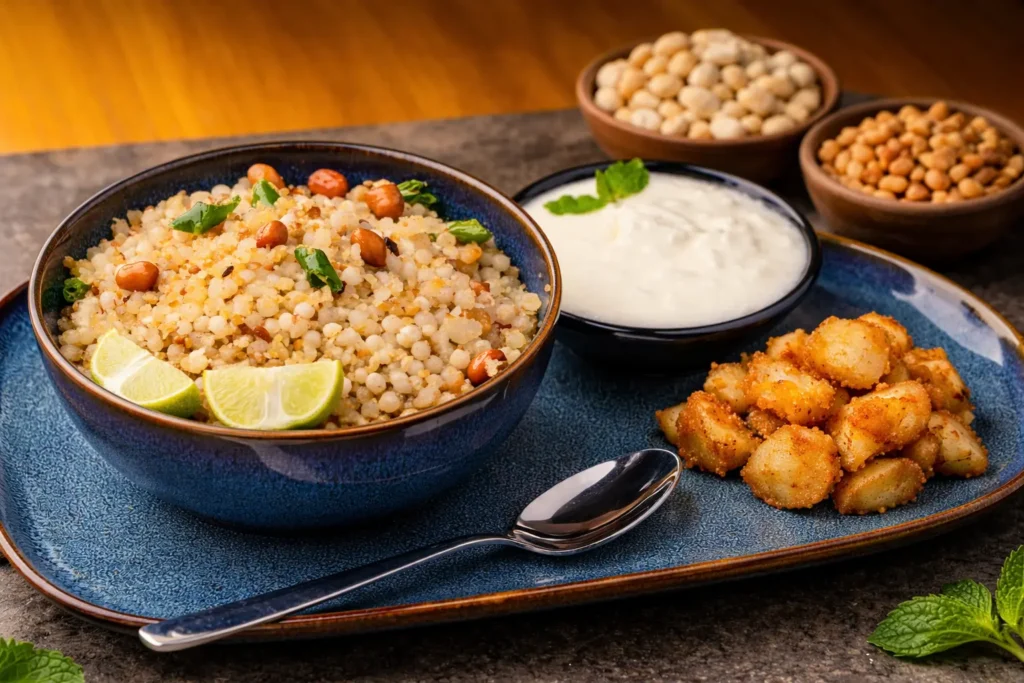
A healthy Navratri diet is not about eating less, it’s about eating right. The focus should be on maintaining steady energy levels rather than simply filling the stomach after long hours of fasting.
Include Protein
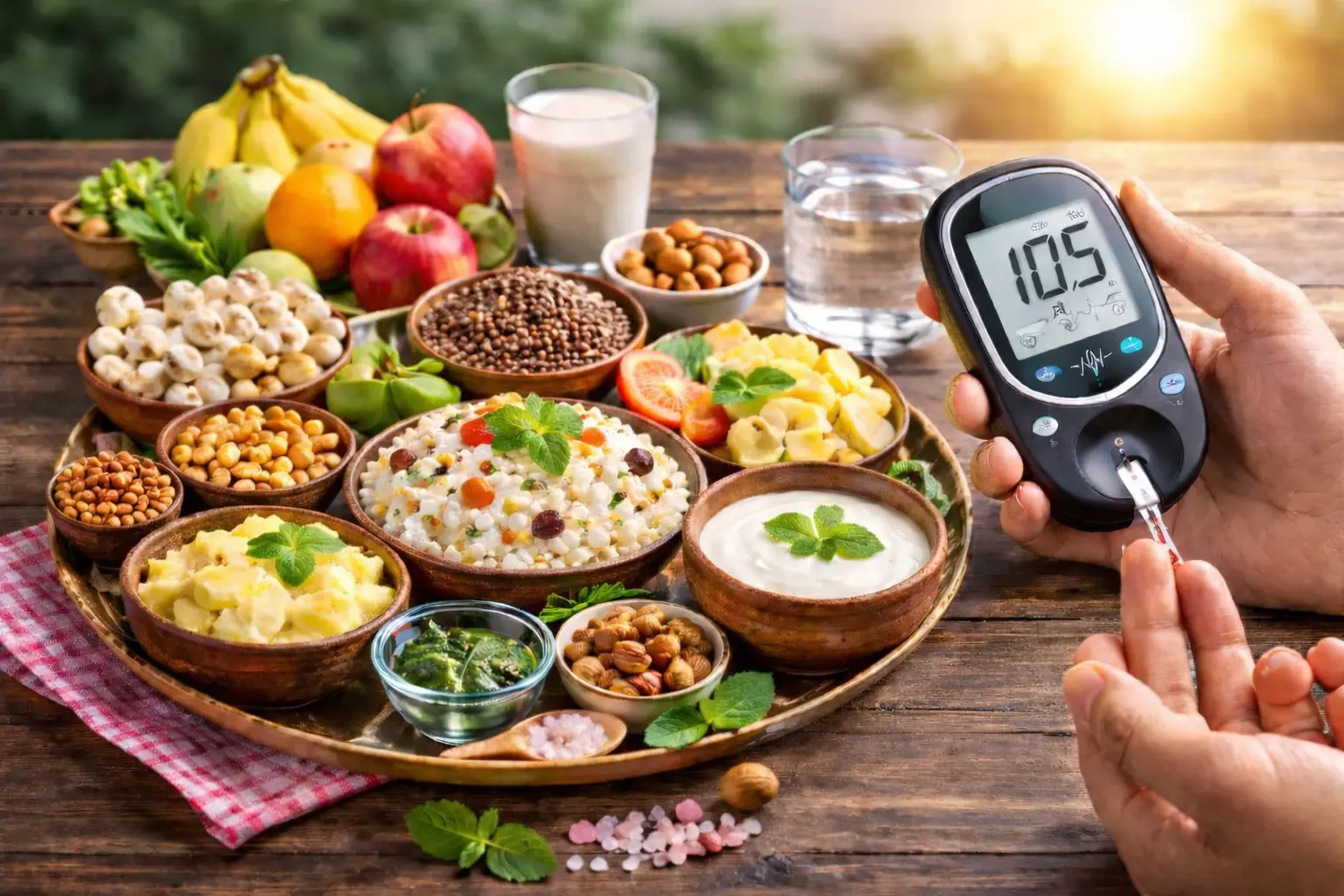
One of the most important nutrients during fasting is protein. It helps slow down digestion and keeps you fuller for longer. To maintain energy levels, include paneer, curd, milk, makhana (fox nuts), and peanuts in your diet.
Choose the Right Carbohydrates
The two most popular sources of carbs during the Navratri fast are potatoes and sabudana (tapioca). These may appear to be the healthiest choice for the Navratri fast, but they are not. The body can swiftly break down potatoes and sabudana, causing sharp fluctuations in energy levels. So, opt for flours like kuttu (buckwheat), singhara (water chestnut), or rajgira (amaranth), as they are higher in fiber.
Stay Hydrated
During fasting, people tend to drink less water, either due to habit or because they mistake thirst for hunger. However, even mild dehydration can lead to fatigue, headaches, and reduced concentration. Drink plenty of water throughout the day. You can also include coconut water (in moderation and avoid eating cream/malai), buttermilk, and lemon water (without sugar) to keep your body hydrated.
Healthy Fats
Healthy fats also play a subtle but important role. Nuts like almonds and walnuts provide essential fatty acids that support heart health and help keep you satisfied. They can prevent the urge to overeat later in the day, which is a common issue during fasting.
For Diabetes and Blood Pressure Patients
Diabetic patients must refrain from hunger for a longer time. Consume small portions 2–3 hours apart. Eat fruits, makhana, or curd and test blood sugar at regular intervals. See a doctor immediately if you feel faint or sweat profusely.
Rock salt (sendha namak) is recommended but should be consumed in moderation by people with high BP. Salted snacks such as chips and namkeen come under packaged fasting food, which have a high salt level present hence increasing the blood pressure. Use your normal medications except by your doctor’s orders, and get plenty of fluids.
Avoid These
Avoid excessive fried foods like pakoras, too many sweets, and overeating after long periods of fasting. Light exercise and pranayama during this time can help maintain mental peace and physical energy.
Why Overeating After Fasting Can Backfire
A classic pattern observed in Navratri is a low intake of food throughout the day and then devouring one heavy meal at night. While this can be gratifying, it actually imposes considerable strain on your body.
The study referenced by the National Institutes of Health suggests eating meals high in carbohydrates, fats and sugars after extended fasting can cause drastic spikes in blood glucose levels. So this up and down doesn’t just lead to energy crashes later on, but alters net metabolic balance as well.
In simpler terms, the “feast after fast” approach often does more harm than good.
A better strategy is to eat smaller, balanced meals at regular intervals, roughly every 2–3 hours. This helps your body maintain a steady flow of energy and prevents extreme hunger, which often leads to overeating.
Conclusion
Navratri fasting holds a lot of importance, however you must be extra cautious and plan your fasts if you are Diabetic. Your focus should not just be on completing the fast, but on doing it safely.
You can celebrate Navratri in a way that caters to both your spiritual and your health by eating balanced meals, not having long gaps between meals, staying hydrated and keeping track of your blood sugar levels.
Because at the end of the day, this isn’t about maximizing your limits through fasting, it’s about learning more and taking care of yourself in an intentional way.
Take Control Beyond Navratri — Join the DFN Club
Navratri lasts nine days, but managing Diabetes is a year-round commitment. Get reliable, science-backed tips on nutrition, blood sugar management, and healthy living — every day.
FAQs
1. Can people with Diabetes fast during Navratri?
Yes, but not without careful planning and guidance from your doctor. Not everyone with Diabetes should fast; especially those that have uncontrolled sugar. Never begin without talking to your doctor.
2. How often should I eat while fasting with Diabetes?
Avoid long gaps. Aim to eat small balanced meals or snacks every 2–3 hours, which helps avoid sudden drops or spikes in blood sugar.
3. What are the best foods to include during Navratri fasting for Diabetes?
Include protein-rich foods like paneer, curd, and nuts; high-fiber carbs like kuttu or rajgira; and stay hydrated with water, buttermilk, or coconut water (in moderation and avoid eating cream/malai).
4. What foods should I avoid during fasting?
Avoid fried foods, sugary sweets, excess sabudana, packaged snacks, and sugary drinks, as they can cause quick blood sugar spikes.
5. When should I break my fast immediately?
Break your fast if you feel symptoms like dizziness, sweating, weakness, or if your blood sugar goes too low or too high. Your safety always comes first.